Lighting design is the intentional placement, color, and control of light to shape how a space looks, functions, and feels. It aligns brightness, direction, and contrast with the story of your event. In Midland, thoughtful lighting turns ceremonies, toasts, and dance floors into clear, photo‑ready moments guests remember.
By Revel Entertainment • Last updated: July 5, 2026
Overview
Lighting design combines color, intensity, and direction to support mood, visibility, and safe movement. For weddings and live events, layer warm washes, crisp highlights, and tasteful motion. A clear plan maps cues to the timeline, protects photography, and adapts in real time to keep the room comfortable and energized.
If you’re planning a South Asian wedding weekend or a one‑night reception, this complete guide shows how to design light that flatters faces, supports photography, and transforms rooms without overwhelming guests. You’ll find practical steps and Midland‑specific tips from our integrated DJ, MC, lighting, LED wall, and production team.
- Plain‑English definitions and core principles
- Why lighting impacts emotion, photos, and guest flow
- A step‑by‑step process we use from consult to showtime
- Common event lighting types and how to layer them
- Best practices for color, CRI, beam angles, and zoning
- Tools and resources, including venue intelligence checks
- Mini case studies from South Asian wedding moments
For a deeper dive into creative looks, our in‑house perspective in this designer lighting guide complements the fundamentals you’ll learn here.
What is lighting design?
Lighting design is the craft of shaping spaces with light to achieve visual clarity, emotional impact, and safe movement. Designers balance ambient, task, and accent layers using calibrated color temperature, intensity, and control systems to match the story, schedule, and constraints of a venue or event.
Effective lighting design works in layers and numbers you can actually use:
- Ambient (wash): The baseline. Aim for even coverage so guests navigate comfortably (often 5–15 foot‑candles across dining).
- Task (functional): Focused light for action areas—podiums, sweetheart table, entrances—kept glare‑free with shutters or barn doors.
- Accent (drama): Pin spots, patterns, and beams that highlight decor and performance moments without flooding faces.
For weddings, we add a fourth lens—narrative. Each beat (entrances, toasts, first dance, open dance) deserves its own “look.” A 3200–3500K key light with 90+ CRI flatters skin, while saturated color returns when the dance floor opens. Building these moves into a cue list keeps flow natural.
Self‑contained takeaway: Lighting design is people‑first. Start with flattering white light on faces (around 3200–3500K), add even ambient washes for comfort (5–15 foot‑candles), then layer selective accents and motion. Program changes to match the timeline so the room “breathes” with the event rather than staying static.
Why lighting design matters for weddings
Lighting drives emotion, photography, and flow. Warm tones invite connection; crisp pin spots make details pop; and dynamic movement elevates dance energy. The best setups guide guests without blinding them—delivering polished photos, clear sightlines, and an atmosphere people talk about afterward.
- Emotion on cue: Warm amber uplighting (≈2700–3000K) reads intimate at dinner; bolder hues fuel sangeet and afterparty energy.
- Photography ready: A clean key (3200–3500K) and controlled backgrounds prevent color casts and reduce editing time later.
- Wayfinding + safety: Aisles, exits, and stage edges stay readable even when dance looks go dramatic.
- Program pacing: Looks shift for entrances, toasts, and open dance—subtle transitions help guests follow the story.
South Asian and Indian celebrations add multi‑event nuance: brighter palettes for a daytime baraat; clear stage keys for sangeet performers; refined, modern reception looks before the party flips. In our experience, aligning DJ, MC, and lighting cues cuts dead air and keeps energy consistent across a 10–12 hour day.
Self‑contained takeaway: Treat lighting as your atmosphere engine. Calibrate whites for faces (≈3200–3500K), guard safety paths, and let color and motion scale with the timeline. The result is cleaner photos, smoother transitions, and a room that feels alive without feeling harsh.
How lighting design works (our process)
A strong lighting process starts with story and venue reality, then moves through design, logistics, and live control. Confirm power, rigging, and effect rules first; build a cue stack around the timeline; rehearse transitions; and keep safety and photography in view from first look to last song.
- Consult + goals: Discuss vision, cultural beats, must‑play songs, and photography priorities.
- Questionnaire: Music, mood, color likes/dislikes, outfit palettes, and any “do‑not‑light” requests.
- Venue intelligence: Verify capacity, rigging points, power distro, ceiling heights, and special‑effect permissions.
- Design + plot: Translate story beats into fixtures, zones, beam angles (20–50°), and console layout.
- Logistics: Lock load‑in route, crew plan, timelines, permits, and contingencies for weather or staging changes.
- Site visit: Confirm dimensions, cable runs, sightlines, and potential light spill or reflection issues.
- Programming: Pre‑build palettes and cues (e.g., a 2:1 key‑to‑fill ratio for toasts) and test haze density.
- Showtime: Execute cues live with the DJ/MC; adapt levels so the dance floor feels lit, not blasted.
| Phase | Owner | Key Outputs | When |
|---|---|---|---|
| Discovery | DJ/MC + Designer | Creative brief, priorities | 8–16 weeks out |
| Feasibility | Production Lead | Power/rigging confirmation | 8–12 weeks |
| Design | Lighting Designer | Plot, zones, palettes | 6–10 weeks |
| Logistics | Operations | Run of show, crew plan | 4–8 weeks |
| Programming | LD + Operator | Cues, timelines | 1–2 weeks |
| On‑site | All Teams | Focus, rehearsals | Show week |
You might be wondering how this ties to everything else on show day. Because our entertainment and production operate as one team, lighting integrates with DJ set structure, MC timing, and LED wall visuals. For broader showflow strategy, see our event production guide.
Self‑contained takeaway: Lock feasibility first (power, rigging, permissions), then design, program, and rehearse. A documented run of show with cue notes prevents surprises and keeps the room comfortable while moving from sentimental moments to high‑energy dance segments.
Types and approaches in event lighting
Layer ambient wash, focal highlights, and tasteful motion. Use uplighting for warmth, pin spots for decor, moving heads for energy, and an LED wall or projection for immersive backdrops. Choose color, beam, and placement that flatter skin tones and match each moment’s purpose.
Core layers we use
- Uplighting: Wall washes that warm the room. Amber and champagne tones suit dinner; deeper hues fit sangeet palettes.
- Pin spots: Tight beams for centerpieces, cake, and details so decor photographs cleanly without blasting guests.
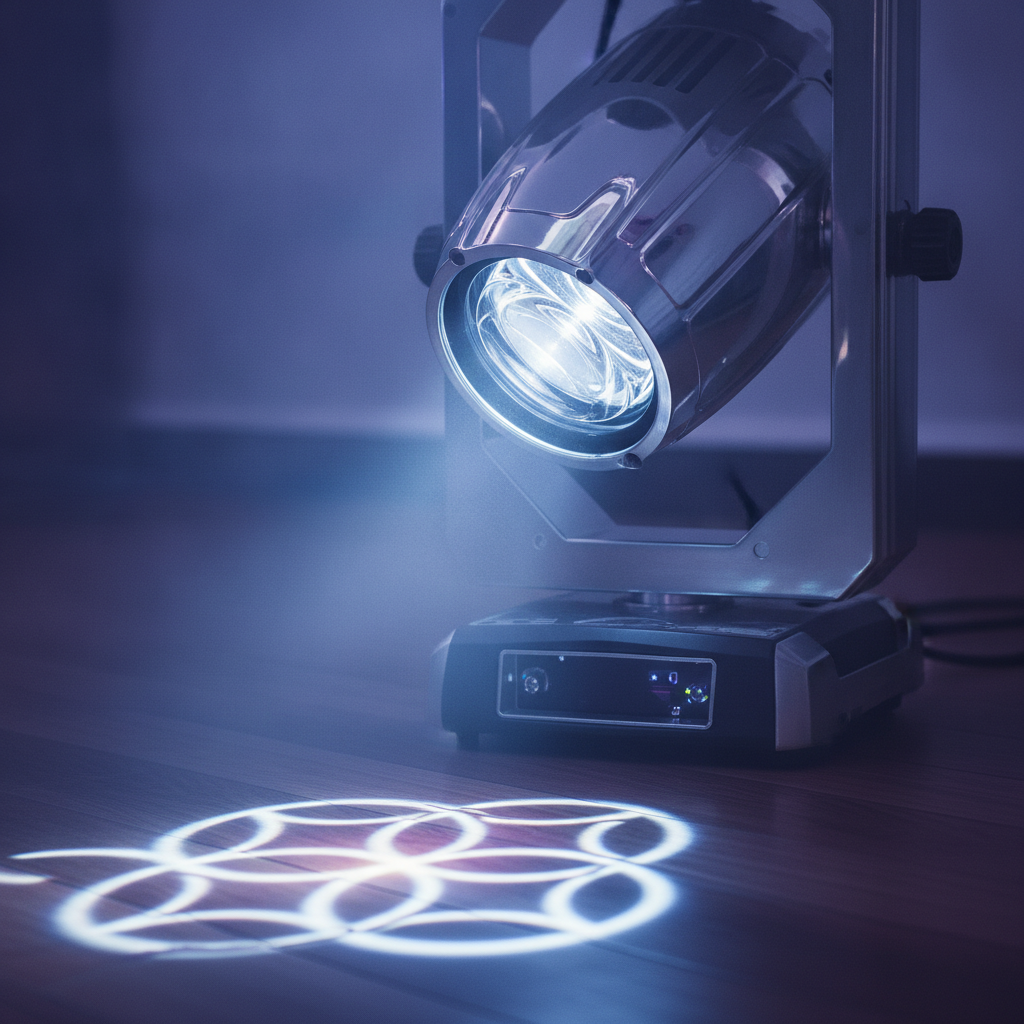
- Moving heads: Versatile fixtures for texture, spot, and beam looks—gentle for formals, punchy for dance moments.
- Wash lights: Even color on stages for speeches and performances without harsh shadows.
- Gobos + texture: Patterns or monograms that tie visuals to your story when used with restraint.
- LED walls: Dynamic backdrops for sangeet acts, reception intros, and DJ booth sets.
- Projection mapping: Paint architecture with motion graphics for scene changes without moving decor.
For an in‑depth look at visual surfaces, our notes on LED panel design explain pixel pitch, brightness (in nits), and content workflows that help stages photograph beautifully without moiré.
FX that elevate moments
- Cold sparks: High‑impact entrances and last‑song peaks; plan spacing and venue approval (typically 6–10 ft clearance).
- Haze/fog: Reveals beams in the air; manage density to keep cameras crisp and venues compliant.
- CO₂ jets or confetti: Short, celebratory hits that sync with drops—best in taller rooms with cleanup plans.
Console and control
- DMX + networking: Map universes before load‑in; test reliability with terminators and backups.
- Show file discipline: Palettes, groups, and cues documented so operators can adapt quickly.
- Timecode vs live: Some shows lock to SMPTE or BPM; receptions breathe with the DJ. We do both.
Self‑contained takeaway: Choose a few dependable layers—warm uplighting, clean keys, targeted pin spots—and add motion only where it serves the story. Keep control flexible with clear zones so you can shift mood instantly without washing out the dance floor.
Lighting design best practices
Design from people outward. Prioritize faces, sightlines, and safe paths, then add drama. Keep color temperatures flattering (≈3000–3500K), mind CRI for photography, and separate zones so you can change looks without flattening the room. Verify venue rules for haze and cold sparks early.
People and photography first
- Skin‑tone flattering whites: 3000–3500K with 90+ CRI for speeches and portraits.
- Angles that respect eyes: Hang above sightlines; avoid eye‑level glare and reflective backdrops.
- Balance keys and fills: A 2:1 ratio preserves shape without harsh contrast.
Control the beam, not the room
- Shutters, frost, and barn doors: Keep light off screens and cameras.
- Zoning: Separate dance, stage, perimeter, and dining for instant look changes.
- Quiet + cool fixtures: Low noise and heat near seating and microphones.
Safety and permissions
- Effect policies: Confirm haze, fog, and cold spark rules in writing during your site visit.
- Rigging + power: Validate points, loads, and distribution. Label everything.
- Redundancy: Backup power and spare fixtures reduce risk during long programs.
Want to connect design with the bigger picture of staging and décor? See how we translate mood boards into live environments in our production design overview.
Local considerations for Midland
- Summer humidity can thicken haze; plan lighter output and more venting to keep beams crisp for photos.
- Peak heat calls for efficient LED fixtures and smart power distribution to avoid overloading circuits.
- Some venues limit special effects; verify rules for haze and cold sparks during the site visit and get approvals in writing.
Self‑contained takeaway: Keep faces beautiful, paths safe, and controls flexible. Document rules and rigging early, then refine angles and levels on site. Simple, disciplined choices beat over‑complex rigs—especially across multi‑event weekends.
Tools and resources we rely on
Great lighting is 50% prep, 50% showtime. Venue intelligence, previsualization, and disciplined console files create repeatable, safe looks. Documented run‑of‑show notes align DJ, MC, photo/video, and venue management—so the room feels alive while guests remain comfortable.
- Venue intelligence: We validate capacity, rigging, power, and special‑effect permissions before design starts.
- Previz + console: Build palettes and cues in software; refine on site for ceiling height and wall finishes.
- Networking: Reliable DMX over ethernet, proper termination, and clear universe maps.
- Coordination: Tight alignment with DJ/MC, photo/video, planner, and venue managers.
On content surfaces and architectural integration, see these practical manufacturer perspectives: a custom lighting panel guide, methods for designing illuminated ceilings, and an explainer on integrated acoustic lighting systems.
Our one‑team model keeps all this tight. Because DJs, MCs, lighting, LED walls, visuals, and operations live under one roof, handoffs disappear. If you’d like a broader entertainment blueprint, our audio‑visual events primer shows how music, light, and screens combine to build momentum.
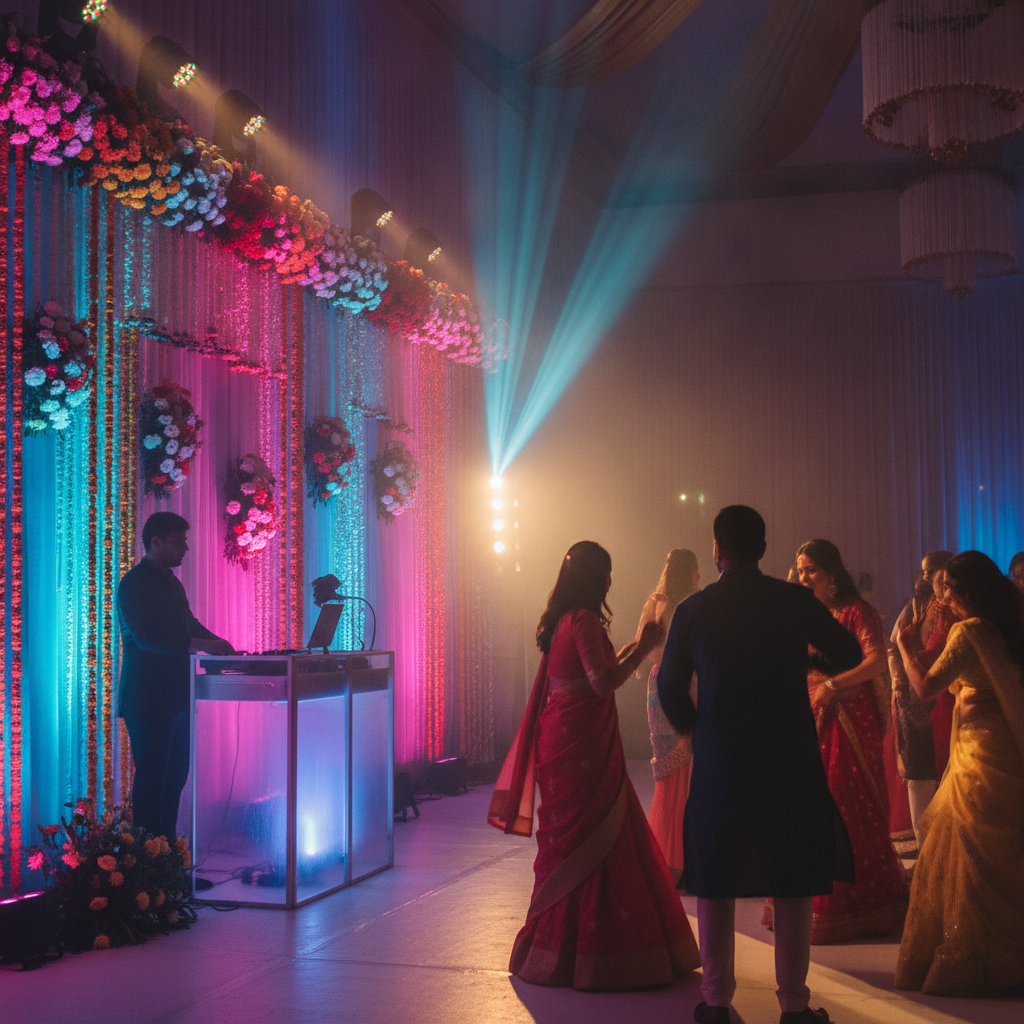
Mid‑article CTA: Planning a South Asian wedding in Midland? We’ll align DJ, MC, lighting, LED walls, and visuals into one cohesive showflow—so you can be fully present. See our approach to full‑service event production.
Self‑contained takeaway: Prep determines polish. Validate the venue, pre‑program the show, map the network, and coordinate talent. When the team is integrated, cues land cleanly and guests feel the difference from first entrance to last track.
Mini case studies and examples
The most convincing lighting plans show their work. These snapshots reveal how layered looks, tight logistics, and cultural fluency land emotional moments—without distracting guests or cameras. Each example ties color, angle, and timing to a specific wedding beat.
Reception first dance: modern elegance
- Look: 3200K key on the couple, soft haze, and two moving heads painting slow textures overhead.
- Why it works: Faces stay natural for photo/video while the room feels cinematic and dimensional.
- Notes: Cake and florals pin‑spotted; perimeter in warm amber to hold intimacy before opening the floor.
Sangeet live acts: energy and color
- Look: Color‑rich stage wash with crisp front light; LED wall visuals synced to performances.
- Why it works: Performers pop, and transitions between acts feel intentional and fast.
- Notes: Haze moderated for vocalists; stage edges lit for safe movement.
Baraat hype to ballroom handoff
- Look: Outdoor mobile sound with vibrant color on arrival; ballroom wash shifts to celebratory tones indoors.
- Why it works: Momentum carries from street to stage; guests see entrances and capture clean photos.
- Notes: FX cleared with venue; crew ready for rapid daylight‑to‑interior transition.
Self‑contained takeaway: Real weddings prove the pattern—flattering keys for faces, warm ambient for comfort, accents for focus, and motion for peaks. When timed with MC pacing and DJ drops, the room feels intentional from speech to send‑off.
Frequently Asked Questions
Great answers are short and clear. Below are concise responses to the most common lighting questions couples and planners ask—focused on timing, safety, and how lighting, DJ, and visuals work together on show day.
What makes lighting design different from just renting lights?
Design ties fixtures to story beats, photography, and safety. It sets color and angles to flatter people, avoids glare, and programs cues that follow your timeline. Rentals provide gear; design turns it into a show that feels intentional from entrances to last dance.
How early should we plan event lighting?
Begin 3–4 months out for venue checks, design, and logistics. Complex builds with rigging or LED walls need more lead time. Early planning secures approvals for haze or cold sparks and gives photo/video teams a clear plan for coverage and lens choices.
Will lighting affect our photos and video?
Yes—in a good way when designed correctly. Balanced white keys (≈3200–3500K), controlled background color, and modest haze make skin tones natural and reduce noise. Photographers get cleaner files; editors spend less time correcting color casts.
Can we use cold sparks and haze at any venue?
Not always. Each venue sets its own rules. We confirm permissions, spacing, and power needs during the site visit and get approvals in writing. If effects are limited, we design alternate looks that deliver similar impact—like brighter beams and confetti hits.
Key takeaways
Plan lighting around people and moments, not fixtures. Verify venue realities early, layer warm washes with clear highlights, and keep controls flexible for timeline shifts. Great lighting disappears into the experience while making every photo and memory stronger.
- Design for faces, photos, and safe movement first.
- Layer ambient, task, and accent light; add motion intentionally.
- Use flattering whites (≈3000–3500K) and high CRI for formals.
- Confirm venue power, rigging, and effect policies before booking.
- Keep zones separate so you can shift mood without flattening the room.
Conclusion
The best lighting design feels effortless because it’s rigorously planned. When DJs, MCs, lighting, LED walls, and operations move as one, every moment lands. Start early, verify venue realities, and build cues around your story—then enjoy the dance floor you’ve been picturing.
Ready to light your celebration in Midland? Let’s align Indian DJ talent, culturally fluent MCs, lighting, LED walls, and visual FX into one cohesive production—so you can be fully present in every moment.